
Understanding Your Rights After Tragic Loss: Guidance from a Wrongful Death Lawyer in San Antonio
When you lose a loved one due to someone else’s negligence or wrongful actions, the grief can feel overwhelming—and the last thing you want to think about is legal proceedings. Yet many families discover that pursuing a wrongful death lawsuit becomes necessary to secure financial stability and hold responsible parties accountable. In Texas, the law is very specific about who has the legal right to file a wrongful death lawsuit, and understanding these rules can mean the difference between getting justice and being left without recourse. Whether your loss occurred in a car accident, medical malpractice incident, or workplace tragedy, knowing your rights under Texas wrongful death law helps you make informed decisions during an incredibly difficult time.
💡 Pro Tip: Time matters in wrongful death cases—Texas generally allows only two years from the date of death to file a lawsuit, so don’t delay in seeking legal guidance.
Ready to find the justice your family deserves? Reach out to The Law Offices of Oscar A. Garza for comprehensive support in navigating the complexities of wrongful death claims. Don’t let time slip away—take the first step by calling us at 210-732-3030 or contact us.
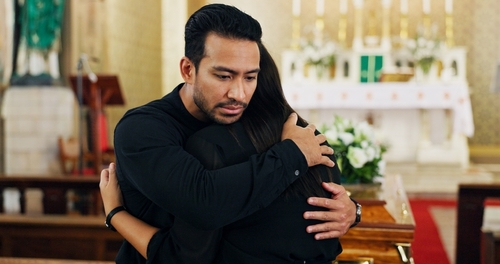
Texas Wrongful Death Beneficiaries: Who the Law Protects
Under Texas Civil Practice and Remedies Code Chapter 71, only specific family members have the legal standing to file a wrongful death lawsuit. The law recognizes surviving spouses, children, and parents as wrongful death beneficiaries who can seek compensation for their loss. What makes Texas unique is that it’s one of the few states that also recognizes common-law spouses as legitimate wrongful death beneficiaries, unlike most states that only acknowledge legally married couples. This broader recognition means that couples who were never legally married but who meet certain other requirements under Texas law can still pursue justice for their partner’s wrongful death. When working with a wrongful death lawyer in San Antonio, understanding exactly who qualifies as a beneficiary becomes crucial for determining whether your family has grounds to move forward with a claim.
💡 Pro Tip: If you were in a common-law marriage, gather documentation that proves your relationship met Texas requirements—this evidence will be essential for establishing your right to file.
Critical Deadlines and Legal Process for Texas Wrongful Death Claims
The timeline for filing a wrongful death lawsuit in Texas is strict and unforgiving. For wrongful death claims, the statute of limitations is two years, which typically begins at the death of the decedent. If a lawsuit is not brought within the statute of limitations, the right to bring that lawsuit expires forever. However, Texas law provides some flexibility through survival action claims, which have a two-year statute of limitations that can be suspended for up to one year after death, creating up to three years total to file. This distinction between wrongful death and survival actions is important because they serve different purposes and may have different filing deadlines. A qualified wrongful death lawyer in San Antonio will help you understand which type of claim applies to your situation and ensure all deadlines are met.
- Two-year deadline for wrongful death claims starting from the date of death
- Survival action claims can extend up to three years with the one-year suspension rule
- Different rules may apply for deaths occurring out of state but involving Texas residents
- Claims filed after the statute of limitations expires will be dismissed by the court
- Rare exceptions exist for cases involving discovery of new evidence or fraud
💡 Pro Tip: Even if you’re unsure whether you have a case, consult a lawyer early—waiting until near the deadline leaves no room for thorough investigation and preparation.
How The Law Offices of Oscar A. Garza Can Help Your Family Pursue Justice
Navigating the complexities of Texas wrongful death law while grieving requires experienced legal guidance that understands both the emotional and legal challenges families face. The Law Offices of Oscar A. Garza brings extensive experience in wrongful death cases throughout Texas, helping families understand their rights and pursue maximum compensation for their losses. Our team recognizes that each family’s situation is unique—from determining who has standing to file, to calculating appropriate damages, to handling cases where death occurred outside Texas but involves Texas residents. When you consult a lawyer with experience in Texas wrongful death claims, you’re not just getting legal representation; you’re getting advocates who understand that no amount of money can replace your loved one, but proper compensation can provide financial security and a sense of justice for your family. A wrongful death lawyer in San Antonio will work to ensure all eligible beneficiaries are included and that damages are fairly apportioned according to Texas law.
💡 Pro Tip: Bring all relevant documents to your initial consultation, including death certificates, medical records, and any evidence related to how the death occurred—this helps your attorney quickly assess your case strength.
Understanding Damage Distribution Among Multiple Beneficiaries
One of the most important aspects of Texas wrongful death law is how compensation gets divided when multiple beneficiaries have valid claims. Texas wrongful death beneficiaries include surviving spouses, children, and parents, with the jury having discretion to apportion damages among beneficiaries in different shares. For example, if John and Jill decide to file a wrongful death lawsuit regarding their daughter Susie’s death, and a jury awards them $100,000, the jury can decide to split that $100,000 in different shares—the jury could award John $60,000 and Jill $40,000. This flexibility allows juries to consider each beneficiary’s unique relationship with the deceased and their individual losses. However, it also means that beneficiaries may receive different amounts based on factors like dependency, age, and the nature of their relationship with the deceased. Working with a wrongful death lawyer in San Antonio helps ensure your specific losses and relationship are properly presented to maximize your portion of any recovery.
Factors That Influence Damage Distribution
Courts consider multiple factors when determining how to divide wrongful death compensation, including the financial dependency each beneficiary had on the deceased, the emotional support provided, and the beneficiary’s age and health status. A surviving spouse who was financially dependent may receive a larger share than adult children who were financially independent, but each case is evaluated individually based on the specific circumstances and relationships involved.
💡 Pro Tip: Document your relationship with the deceased and any financial dependency—receipts, bank records, and witness testimony about emotional support can all influence how damages are apportioned.
Survival Actions vs. Wrongful Death Claims: Understanding Both Options
Texas law provides two distinct types of legal actions when someone dies due to another’s negligence: wrongful death claims and survival actions. While wrongful death claims compensate beneficiaries for their own losses (like loss of financial support and companionship), survival actions are different—they allow personal injury causes of action to survive to heirs, legal representatives, and the estate of the injured person. The purpose of the Texas Survival Act Statute is to compensate the heirs of a decedent for losses that occurred prior to the decedent’s death, including conscious pain and suffering, medical bills, lost wages, and property damages of the decedent. Many families don’t realize they may have both types of claims available, and pursuing both can significantly increase the total compensation recovered. A wrongful death lawyer in San Antonio will evaluate whether your case qualifies for both survival and wrongful death actions to maximize your family’s recovery.
When Survival Actions Provide Additional Compensation
Survival actions become particularly valuable when the deceased lived for some time after the incident that ultimately caused their death, experiencing pain and suffering, accumulating medical bills, or missing work. These pre-death losses can be recovered through a survival action in addition to the post-death losses recovered through a wrongful death claim, providing families with more comprehensive compensation for all the harm caused by the defendant’s actions.
💡 Pro Tip: Keep detailed records of all medical expenses, lost wages, and documented pain experienced by your loved one before their death—this information is crucial for survival action claims.
Special Circumstances: Out-of-State Deaths and Exemplary Damages
Texas wrongful death law extends beyond state borders in certain situations, recognizing that families shouldn’t be denied justice simply because a death occurred elsewhere. Texas wrongful death actions can be brought for deaths occurring out of state if specific jurisdictional requirements are met, including time limitations and proper venue considerations. This provision ensures that Texas families have access to their home state’s legal protections even when tragedies strike while traveling or living temporarily in other states. Additionally, Texas law recognizes that some wrongful deaths involve particularly egregious conduct that deserves additional punishment. When death is caused by the willful act or omission or gross negligence of the defendant, exemplary as well as actual damages may be recovered. These exemplary damages serve both to punish the wrongdoer and deter similar conduct by others. Understanding when these enhanced damages might apply requires careful legal analysis and the guidance of a wrongful death lawyer in San Antonio who can evaluate the specific circumstances of your case.
Expanding Recognition of Family Structures
As the law continues evolving, there has been a noticeable trend toward the expansion of wrongful death recovery to reflect changes in value systems and family structures. Texas law also recognizes deaths of unborn children, defining death to include "the failure to be born alive" for individuals who are unborn children, providing legal recourse for families who suffer these devastating losses.
💡 Pro Tip: If your loved one’s death involved particularly reckless or intentional conduct, mention this to your attorney—exemplary damages could significantly increase your recovery beyond basic compensation.
Frequently Asked Questions
Common Legal Concerns About Filing Rights
Families often worry about whether they qualify to file a wrongful death lawsuit, especially in complex family situations involving divorce, separation, or blended families. Understanding Texas’s specific requirements helps clarify who has legal standing and how multiple claims are handled.
💡 Pro Tip: If there are multiple potential beneficiaries, consider consulting with Texas Wrongful Death Law Chapter 71 together to understand how the case might proceed and avoid conflicts that could delay justice.
Timeline and Process Expectations
Most families want to know what to expect from the legal process and how long it typically takes to resolve a wrongful death case. While every case is different, understanding the general timeline helps families prepare emotionally and financially for the road ahead.
💡 Pro Tip: Start gathering important documents early in the process—death certificates, medical records, employment information, and relationship documentation—to help your attorney build the strongest possible case.
1. Can unmarried partners file wrongful death lawsuits in San Antonio under Texas law?
Yes, if they qualify as common-law spouses under Texas law. Texas is one of the few states that recognizes common-law marriages for wrongful death purposes. You must prove that you agreed to be married, lived together as spouses, and represented yourselves as married to others in Texas.
2. What happens if multiple family members want to file separate wrongful death lawsuits?
Texas law requires all eligible beneficiaries to be included in a single wrongful death lawsuit. The court will apportion damages among the beneficiaries, and a jury has discretion to award different amounts to each person based on their relationship to the deceased and their individual losses.
3. How long do I have to file a wrongful death lawsuit in Texas?
Generally, you have two years from the date of death to file a wrongful death claim. However, survival actions may extend up to three years total due to the one-year suspension rule after death. Missing these deadlines typically means losing your right to compensation forever.
4. Can I file a wrongful death lawsuit if the death occurred in another state?
Yes, Texas law allows wrongful death actions for deaths occurring out of state if specific jurisdictional requirements are met. This protects Texas families who lose loved ones while traveling or living temporarily in other states, ensuring access to Texas legal protections.
5. What’s the difference between a wrongful death claim and a survival action in Texas?
Wrongful death claims compensate beneficiaries for their own losses after the death, while survival actions recover damages the deceased person could have claimed if they had lived, including pre-death pain and suffering, medical bills, and lost wages. Many cases qualify for both types of claims.
Work with a Trusted Wrongful Death Lawyer
Losing a loved one due to someone else’s negligence creates both emotional devastation and legal complexities that no family should navigate alone. The decision to pursue legal action is deeply personal, but understanding your rights under Texas law helps ensure you make informed choices about your family’s future. When selecting legal representation, look for attorneys with proven experience in Texas wrongful death cases, a compassionate approach that respects your grief process, and the resources necessary to thoroughly investigate your case and hold responsible parties accountable. The right legal team will guide you through this difficult time while fighting for the justice and compensation your family deserves.
Need guidance through the storm of legal complexities after a wrongful death? The Law Offices of Oscar A. Garza is here to help your family find justice. Reach out today by calling 210-732-3030 or contact us to begin this important journey.